How to Choose a Suitable Block Machine to Start a Block Making Business?
Here is a step-by-step guide to choosing the ideal Block Machine for your start-up.
Step 1: Define Your Market Positioning and Product Mix
Before browsing machinery catalogs, clarify your market positioning:
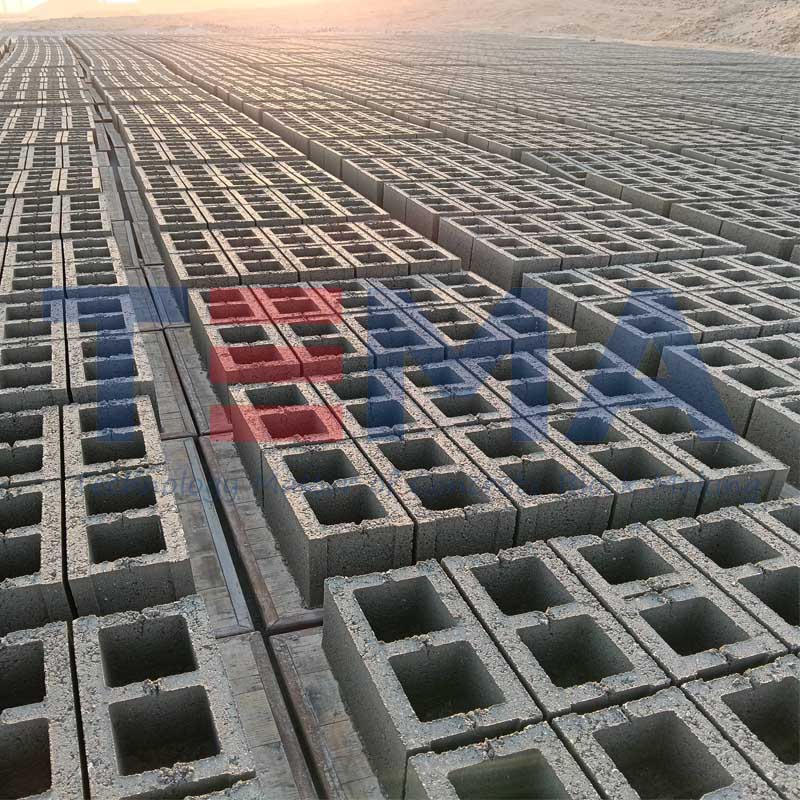
Product Line: Identify the main concrete products you plan to manufacture—such as standard hollow blocks, solid bricks, interlock pavers, or curbstones.
Dimensions & Specifications: Research the most popular paver block sizes and local building standards in your target market.
Site Selection: Choose a factory location with adequate land, accessible power, water supply, and smooth transportation routes.
Competitor Analysis: Evaluate existing local suppliers to identify market gaps, pricing strategies, and potential product differentiation opportunities.
Step 2: Conduct a Financial Feasibility Analysis
A viable business plan relies on clear unit economics. Calculate your projected margins by determining:
Production Costs: Cement, aggregates (sand, gravel, crushed stone), water, labor, electricity, and wear-and-tear.
Market Selling Price: Current wholesale and retail market rates for concrete products in your area.
Profit Margins: Gross and net profit margins per unit to gauge payback periods.
Step 3: Align Production Capacity with Budget
Determine your targeted daily or annual output based on your financial capability and target profit margin:
Budget-Driven Sizing: Match machine output capacity to your available investment capital.
Scalability: Ensure the initial capacity meets current demand while allowing room for expansion as sales grow.
Step 4: Evaluate Machinery Engineering & Core Systems
When reviewing supplier options, focus on key machine structural, mechanical, and electronic components:
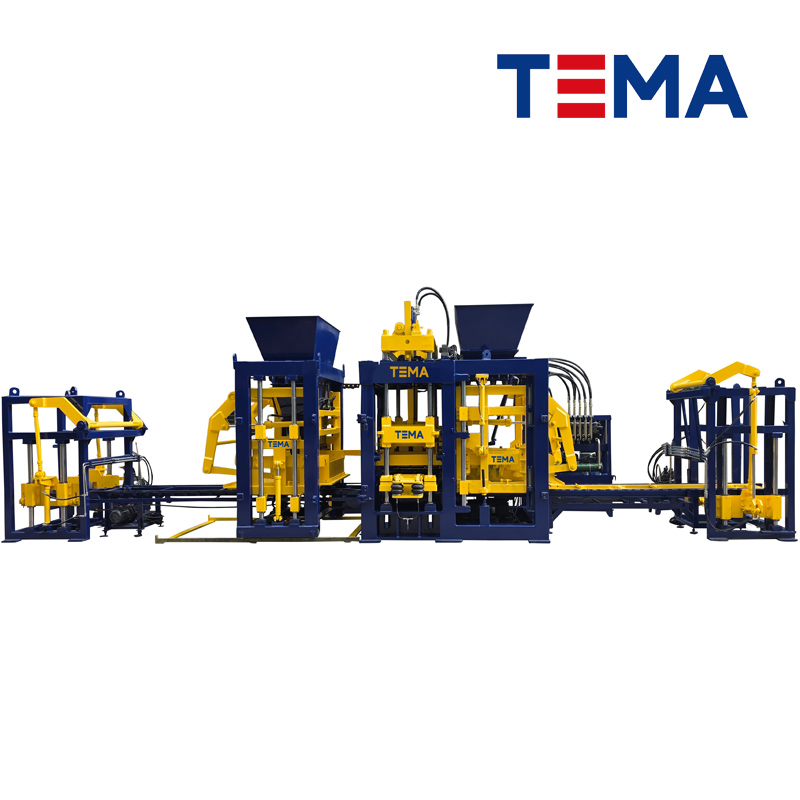
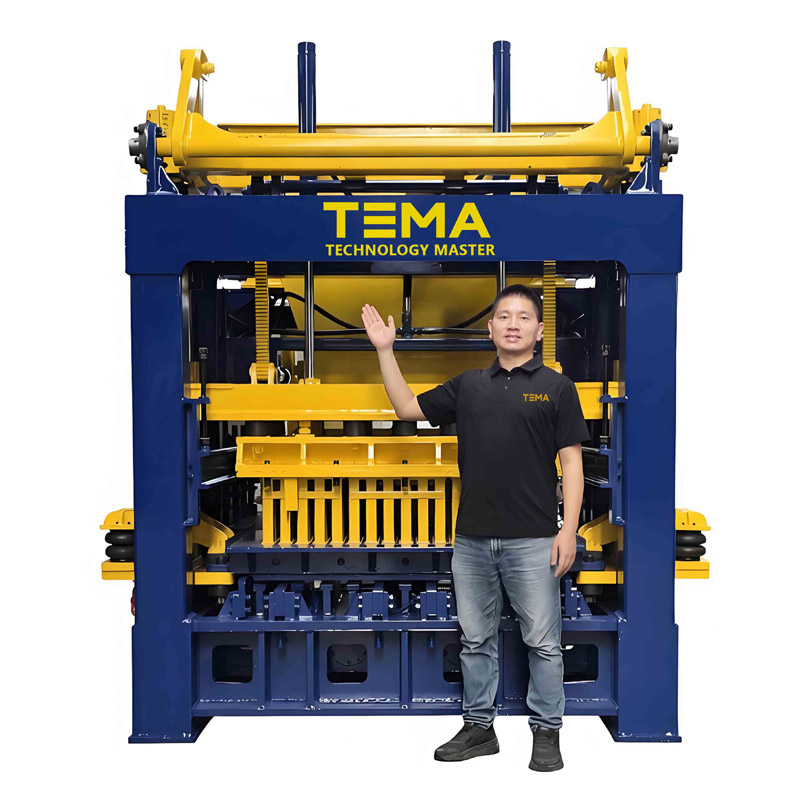
Mechanical Structure & Frame: Heavy-duty, high-strength steel frames with robust welding ensure structural stability under continuous heavy loads.
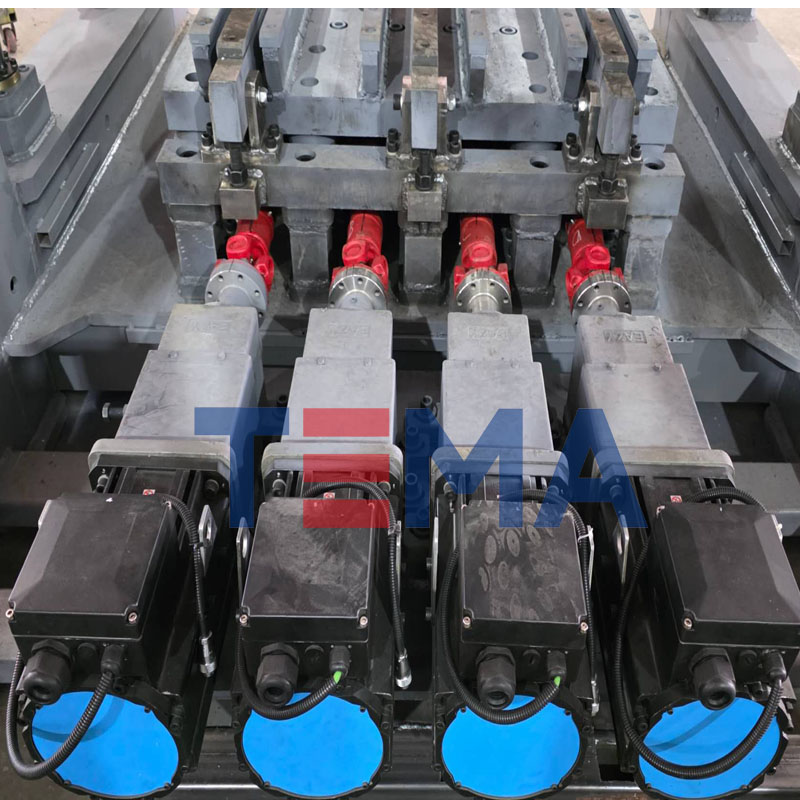
Vibration System: Look for advanced vibration engineering (e.g., servo or high-efficiency vibration systems) that achieves maximum concrete compaction and high block density.
Feeder & Tamper Head Synchronization: Ensure smooth gear or mechanical synchronization for uniform material distribution and precise block height control.
Hydraulic & Electrical Controls: Reliable hydraulic valves and modern PLC control systems that offer automated operation, fault diagnostics, and ease of maintenance.
Step 5: Design Layout and Optimize Overall Cost
Once you narrow down potential machinery options:
Plant Layout Design: Map out the entire footprint according to your factory size—accounting for raw material storage, batching and mixing system, the block production area, wet block transfer, curing area, and finished product stacking.
Commercial Terms: Compare comprehensive quotes covering machine price, freight, installation, operational training, and long-term spare parts support to secure the highest ROI



 English
 français
 русский
 español
 العربية