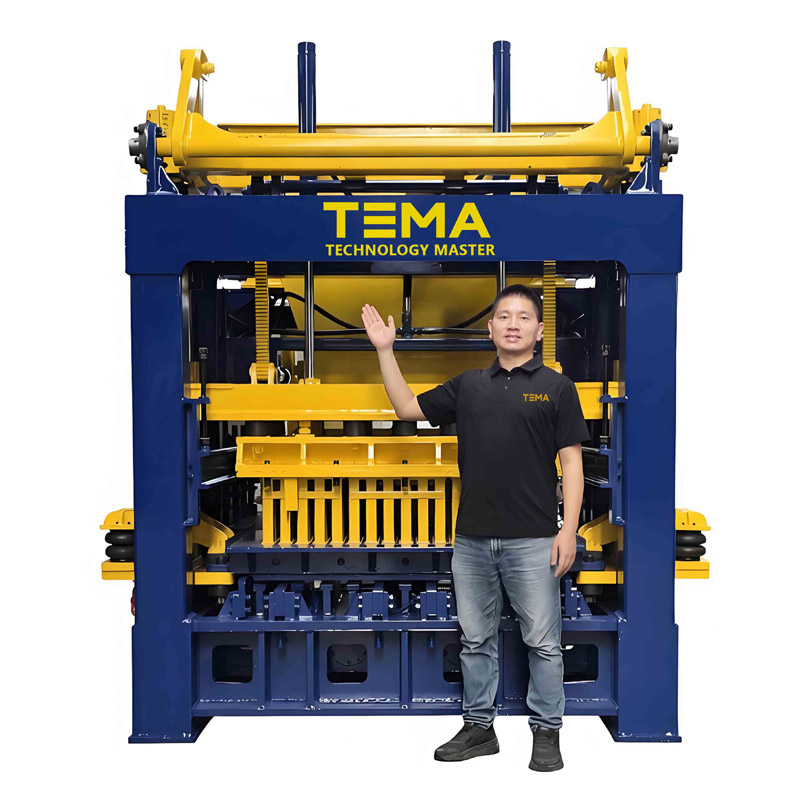
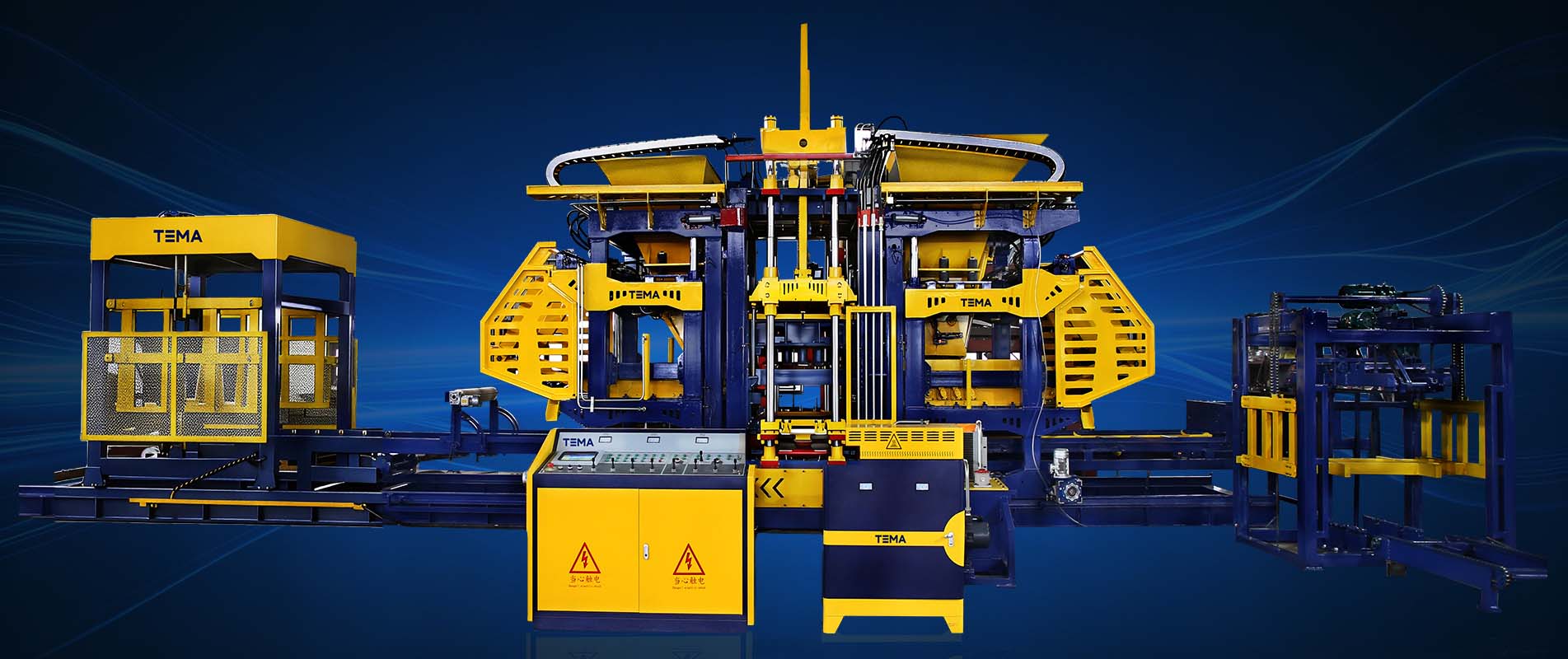
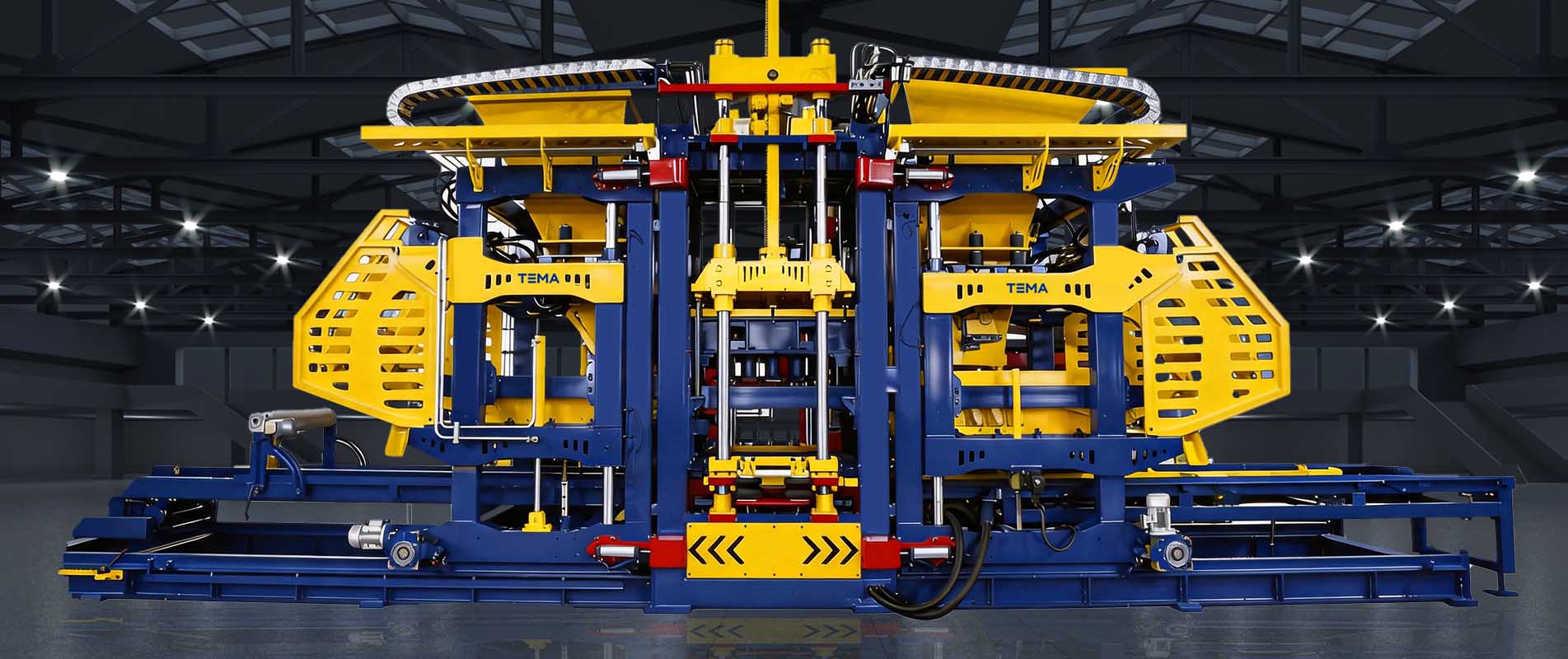
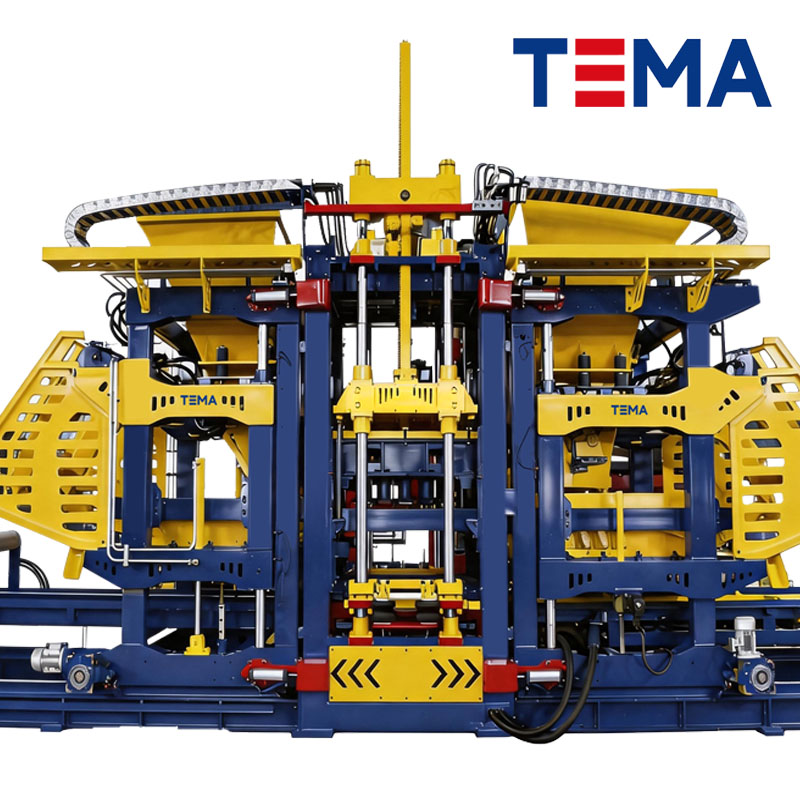
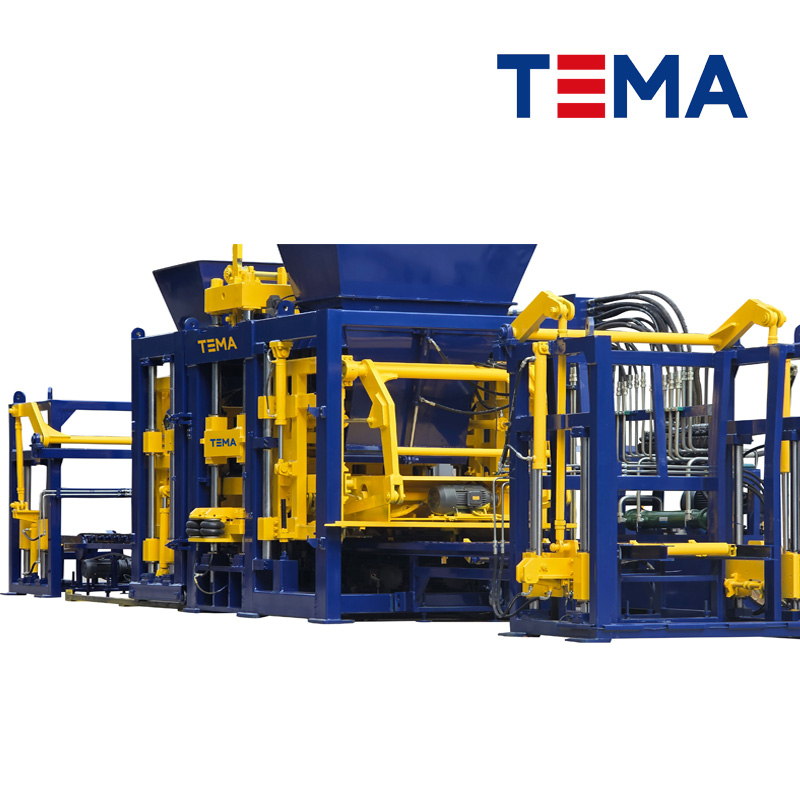
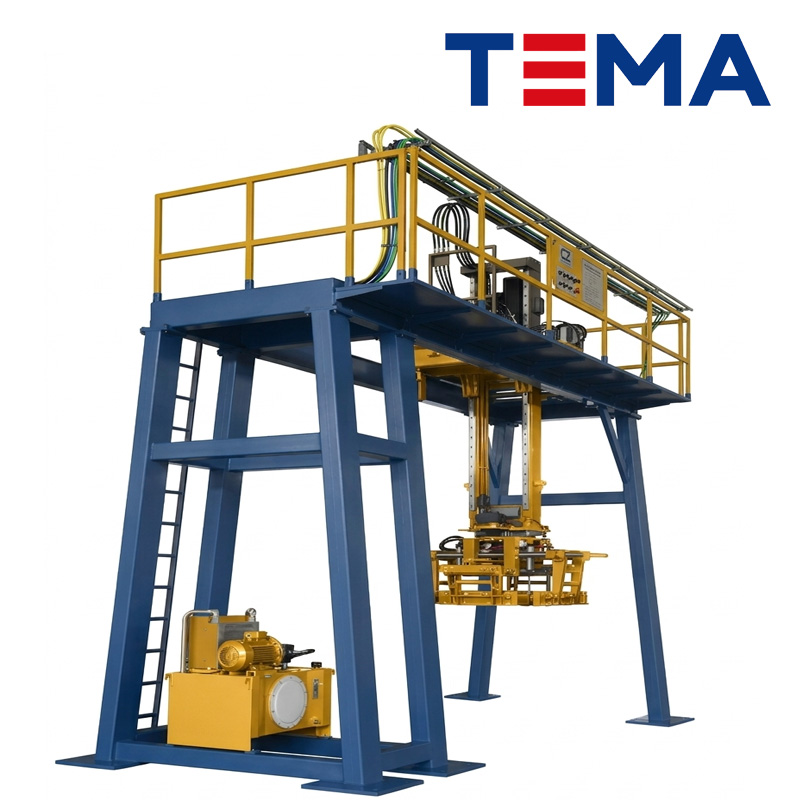
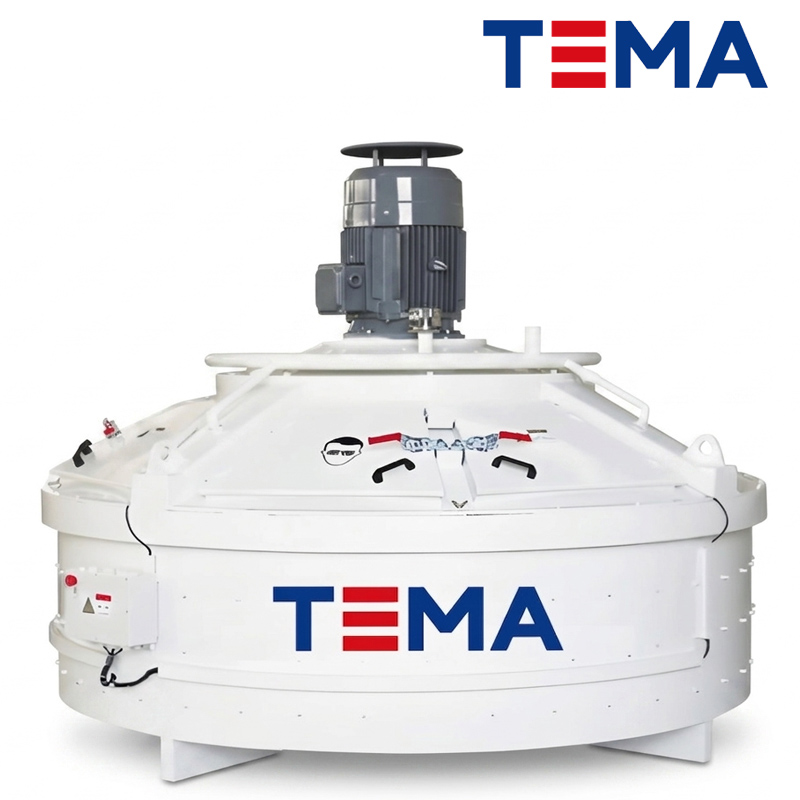
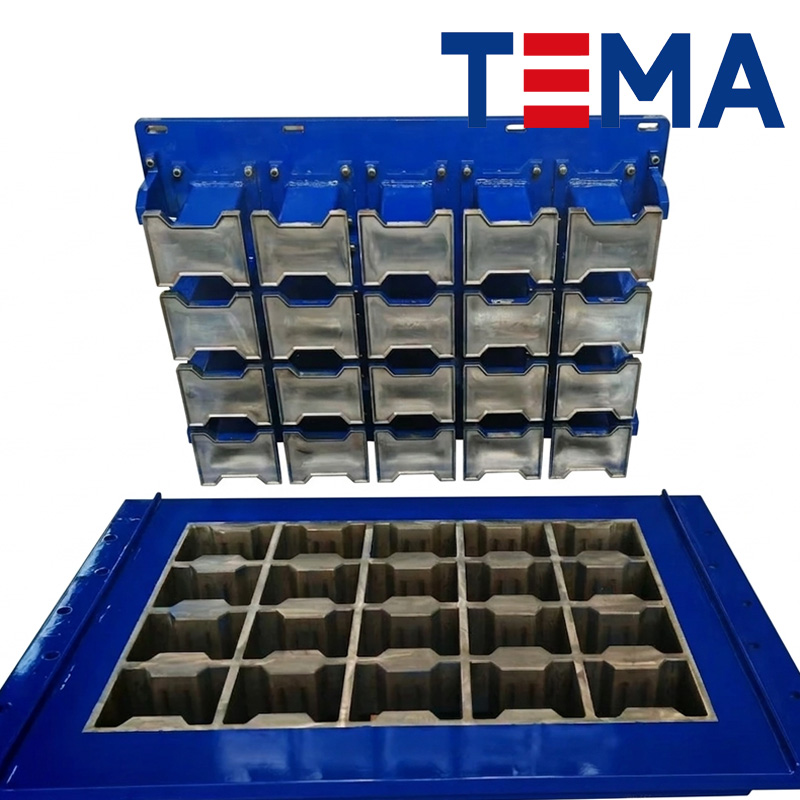
Should you be interested in our paver block machine, please leave us a message, and we will respond as soon as possible.
Leave us a message
Should you be interested in our paver block machine, please leave us a message, and we will respond as soon as possible.
Submit

About TEMA

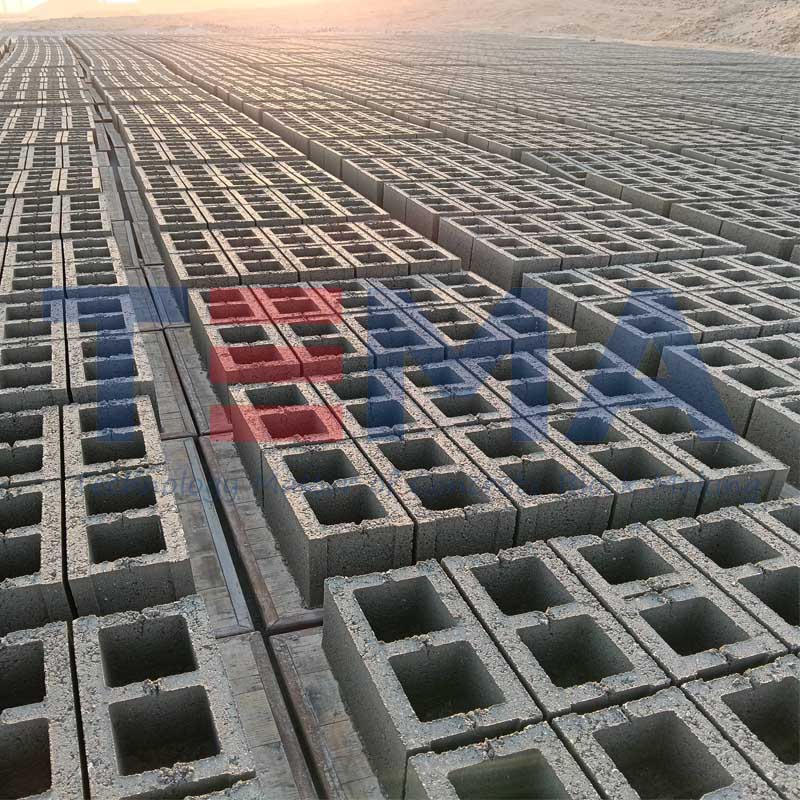
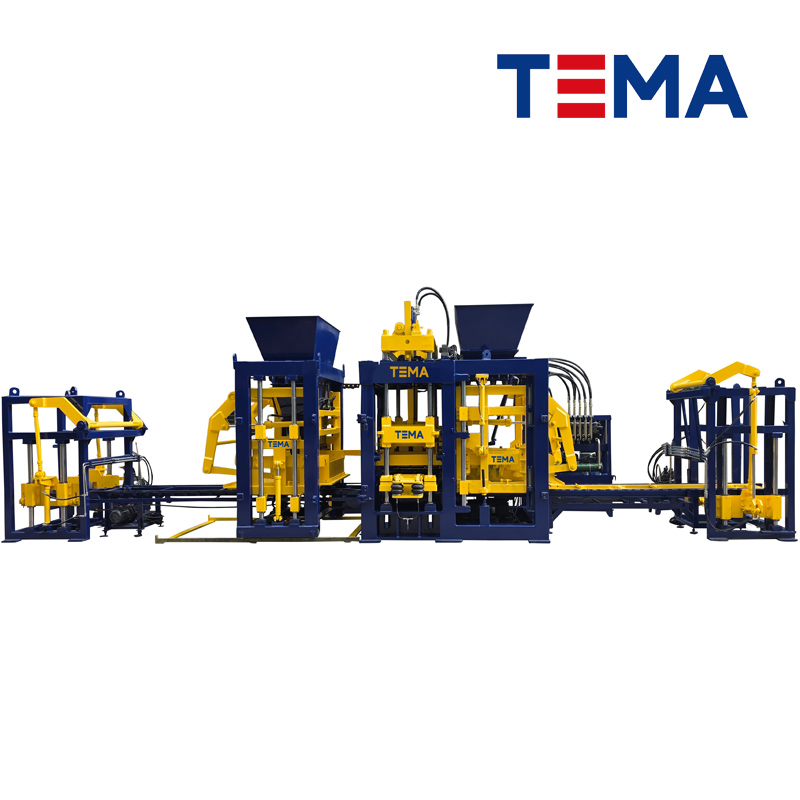
Xiamen Tema Technology Co., Ltd. Global Manufacturer of High-Performance Concrete Paver Block Production Lines Headquartered in Fujian Province, China, Xiamen Tema Technology Co., Ltd. is a premier manufacturer and supplier of concrete paver block machinery. With over 20 years of dedicated industry experience and profound technical expertise, we design and engineer robust, high-quality, and cost-effective concrete block production lines tailored to meet the diverse demands of global construction projects. Our Unique Business Model: The Strategic Consortium We stand out from traditional single-factory enterprises. Instead of operating just one facility, Xiamen Tema strategically invests in and holds shares across a network of top-tier Chinese block machine manufacturers, including TPM, TIGER, XINYE, and OMARK. This innovative, integrated business model delivers unmatched advantages to our international buyers: Feature Xiamen Tema's Integrated Model Traditional Single Factory Pricing Highly Competitive. Shared resources eliminate redundant management costs. Higher overhead costs passed directly to the buyer. Delivery Time Fast & Agile. Production tasks are distributed across specialized partner factories. Often delayed due to limited production capacity. Customization Highly Flexible. Diverse factory capabilities allow for exact, localized solutions. Rigid product lines with limited modification options. Why Choose Xiamen Tema? Unbeatable Cost-Efficiency: By sharing engineers, sales teams, and administrative staff across our network, we drastically reduce operational overhead. We pass 100% of these savings directly to you, ensuring the most competitive prices in the market. Strict Quality Control: As a technology-driven enterprise and active shareholder, our technical directors are deeply involved in daily production. We enforce rigorous testing standards on the factory floor so that every machine runs flawlessly before export. Rapid Delivery Capabilities: Our multi-factory network allows us to allocate production tasks efficiently, ensuring your orders—even for massive projects—are completed strictly on schedule. Tailored Solutions: We do not believe in a "one-size-fits-all" approach. Our flexible manufacturing capabilities allow us to customize machines to perfectly match your local market requirements and budget constraints. Instant After-Sales Service: Time is money. Because we directly manage our manufacturing network, we eliminate bureaucratic delays. Our top-tier engineers are dispatched immediately to resolve any operational issues you may face. Our Core Products We offer a comprehensive range of machinery to suit construction projects of any scale: Fully Automatic Concrete Block Production Lines Semi-Automatic Block Making Machines Mobile & Egg-Laying Block Machines Customized Block & Paver Moulds Auxiliary Equipment (Concrete Mixers, Batching Plants, Automatic Stackers) Global Reach Our commitment to excellence has earned us the trust of partners worldwide. Xiamen Tema's production lines are currently operating efficiently across multiple continents, including the Middle East, Africa, Southeast Asia, and South America, driving local infrastructure development and creating massive value for our clients. Our Mission & Vision Our Mission: To provide world-class concrete paver block production lines at the lowest possible prices, empowering our global partners to build successful, highly profitable businesses. Our Vision: To be the most trusted and innovative integrated supplier of concrete machinery in the global market. Factory & Product Gallery
Need Free Consultation ?

  • Multi-Factory Manufacturing for Global Supply

    Multi-Factory Manufacturing for Global Supply

    TEMA directly invest in multiple top-tier block machine manufacturers. As active shareholders in TPM, TIGER, XINYE, and OMARK, our unique business model allows us to significantly reduce management costs while ensuring strict quality control and accelerating delivery times.

    Read More
  • Advanced Steel Processing Equipment

    Advanced Steel Processing Equipment

    TEMA production facilities are fully equipped with cutting-edge, high-precision steel processing machinery, including state-of-the-art CNC machining centers, fully automated heat-treatment systems, and advanced laser and plasma cutting equipment.

    Read More
  • Global Network & Localized Service Support

    Global Network & Localized Service Support

    TEMA has established a robust global sales and after-sales service network, with dedicated local offices and trusted strategic partners in Egypt, Libya, Algeria, Saudi Arabia, India, Guatemala, Ecuador, South Africa, Ethiopia, and beyond.

    Read More
  • News

    Our Projects

    We are a high-tech enterprise specializing in the research, development, manufacturing, and sales of eco-friendly concrete block molding equipment.

    Read More

Product Categories

TEMA is a premier concrete block machine manufacturer, dedicated to the design, manufacture, and supply of cost-effective and high performance concrete block machines. With over 20 years of industry expertise, we deliver reliable paver block machines to our global customers.

Why Choose Us?

TEMA is a trusted Chinese manufacturer and exporter of concrete paver block machines. We provide high-performance, cost-effective paver block machines to customers around the world, supported by strong technical team with over 20 years of industry experience. Instead of operating as a single block machine manufacturing factory, we are directly investing in multiple block machine manufacturers. As shareholders in TPM, TIGER, XINYE and OMARK, we operate under this very unique business model that helps us reduce management costs while ensuring strict quality control and faster delivery.
  • Same Design, Same Materials - Lowest Price!!!

    At TEMA, we believe that high-quality manufacturing shouldn't come with an inflated price tag. We are committed to a "Price-First" philosophy: For the same machine design and the same high-grade materials, we guarantee the most competitive price in the industry!! By streamlining our manufacturing processes and leveraging local supply chain advantages, we pass those savings directly to you, ensuring you get maximum ROI on your production line.

    View More
  • Very well-developed supply chain and strong manufacturing capabilities!

    Xiamen Tema Technology Co., Ltd is a trusted Chinese manufacturer and exporter of concrete paver block machines. We provide high-performance, cost-effective paver block machines to customers around the world, supported by strong technical team with over 20 years of industry experience. Instead of operating as a single block machine manufacturing factory, we are directly investing in multiple block machine manufacturers. As shareholders in TPM, TIGER, XINYE and OMARK, we operate under this very unique business model that helps us reduce management costs while ensuring strict quality control and faster delivery. TEMA has a very well-developed supply chain and very strong manufacturing capabilities! TEMA's Headquarte located in Quanzhou, China— the premier manufacturing hub for high-end concrete block machine —TEMA benefits from an unparalleled ecosystem of top-level engineering talent and technical expertise. Beyond new manufacturing, our deep specialization in professional concrete block equipment refurbishment gives us a comprehensive, 360-degree understanding of the entire industry. This unique dual-perspective allows us to optimize our designs based on real-world operational insights that others often overlook.            

    View More
  • Located in Quanzhou, China's high-end concrete block machine manufacturing base

    TEMA has a very well-developed supply chain and very strong manufacturing capabilities! TEMA's Headquarte located in Quanzhou, China— the premier manufacturing hub for high-end concrete block machine —TEMA benefits from an unparalleled ecosystem of top-level engineering talent and technical expertise. Beyond new manufacturing, our deep specialization in professional concrete block equipment refurbishment gives us a comprehensive, 360-degree understanding of the entire industry. This unique dual-perspective allows us to optimize our designs based on real-world operational insights that others often overlook.

    View More

Knowledge & Company News

  • Latest Blog
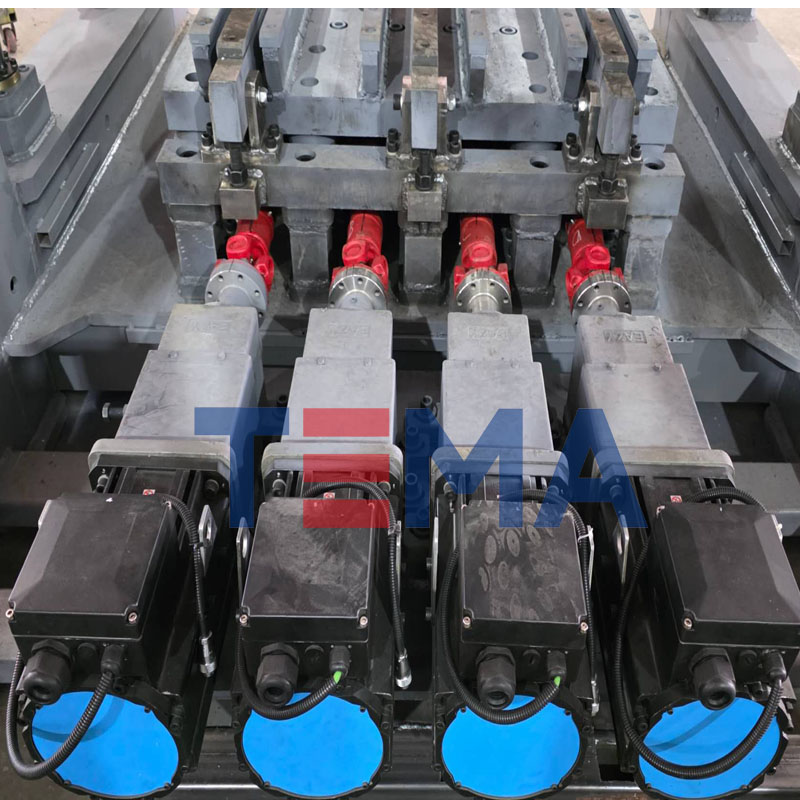
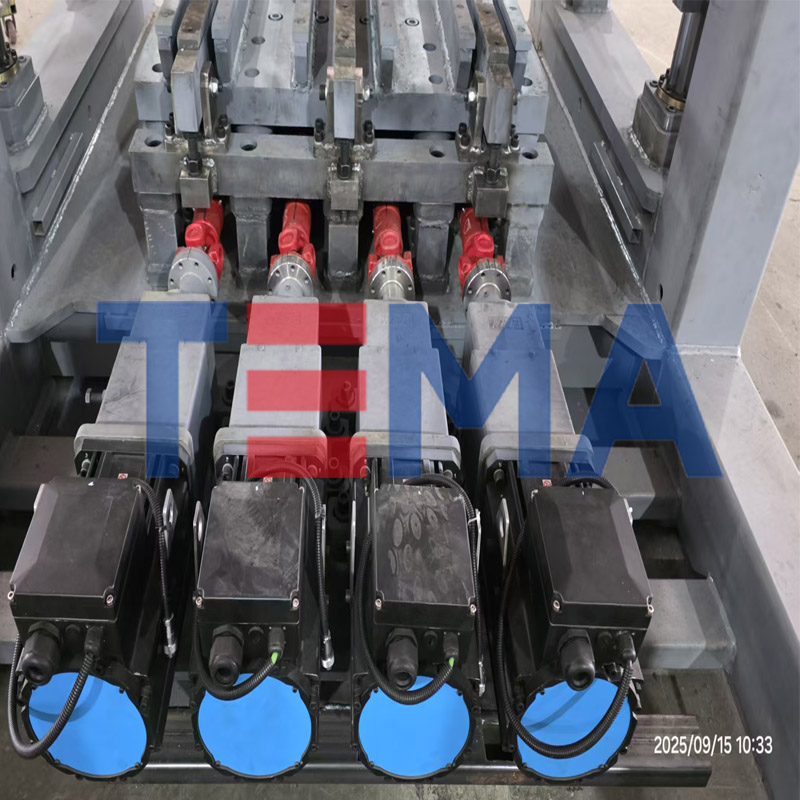
  • Inverter Vibration vs. Servo Vibration: Which is Best for Your Concrete Block Machine? When buying a concrete block making machine, one of the most critical decisions you will face is choosing the right vibration system. Vibration is the heart of the concrete block making machine; it directly determines the density, strength, and overall quality of your concrete products. Today, the industry predominantly debates between two major technologies: Inverter-Controlled Vibration and Servo Vibration. Which one is better for your project? Below are the key differences: 1. Servo Vibration: Premium Precision and Unmatched Speed Servo technology represents the cutting edge of modern block manufacturing, servo vibration offers two massive advantages: Superior Synchronization: Concrete block molding requires multiple vibration shafts to work in perfect harmony. Servo systems use closed-loop feedback to ensure absolute synchronization. This eliminates uneven force distribution, resulting in blocks with highly uniform density and precise height. Rapid Acceleration and Deceleration: Servo motors can go from 0 to 4500 RPM in a less than a second. This lightning-fast response means the machine only vibrates when necessary. It drastically shortens the cycle time per batch and prevents "pre-vibration" or "after-vibration" from disturbing the freshly concrete products. The Result: Faster cycle times, higher production output, and premium-grade blocks with minimal reject rates. 2. Inverter-Controlled Vibration: The Cost-Effective, Reliable Workhorse While servo systems sound ideal, Inverter-Controlled (VFD) vibration remains incredibly popular worldwide, and for good reason: it is highly economical and practical. Lower Maintenance & Repair Costs: Servo systems are highly sophisticated and require specialized technicians to troubleshoot or program. In contrast, inverter systems use standard AC motors and traditional variable frequency drives. Any local industrial electrician can easily maintain, repair, or replace these components. Lower Initial Investment: Machines equipped with inverter systems come with a friendly maintenance cost. For start-ups or regional factories looking to optimize their ROI quickly, the inverter system provides the best balance between performance and budget.

    Read More
  • How to Find a Reliable Concrete Block Machine Supplier: A Practical Guide Investing in a concrete block production line is a major capital expenditure. If you want to protect your investment and avoid costly downtime, here is a practical, two-step framework to find a concrete block machine supplier that actually delivers. 1. Look for Someone Deep-Rooted Industry Experience   It takes years—often decades—to truly master the physics and engineering behind concrete block machinery. When choose a supplier, look for someone that has been deeply embedded in the industry for at least 10 to 20 years. 2. Pay for Performance, Not Just the Brand Name In the global machinery market, you will find two extremes: overpriced historical brands that charge a massive premium just for their logo, and ultra-cheap, low-Level block machines that will break down within months. The smart money lies right in the middle: Value-Driven Performance. The Golden Rule of Equipment ROI: Never overpay for a brand name, but never hesitate to pay more for superior components and performance. Your budget should be heavily weighted toward the core components that dictate product quality and machine longevity. It is entirely justified to pay a bit extra for high-efficiency servo motors (which save massive amounts of electricity and offer faster cycles), robust hydraulic systems, and heat-treated, high-precision molds. A fair-priced supplier will gladly break down the technical specifications to show you exactly why their machine costs what it costs, proving that every dollar spent goes directly into the machine's productivity. Final Thoughts Finding a great supplier isn't about chasing the lowest quote; it’s about mitigating risk. By choosing a partner with decades of focused expertise, and prioritizing technical performance over brand hype, you ensure that your production line remains a profitable asset for years to come.

    Read More
  • How to Select a Good Concrete Block Machine: A Complete Buyer’s Guide Investing in a concrete block production line is a significant step for any construction or block manufacturing business. With so many options available in the market, choosing the right equipment can be overwhelming. To help you make an informed decision and maximize your return on investment (ROI), we have broken down the selection process into three critical steps. 1. Define Your Production Capacity Requirements Before looking at machine models, you must have a clear understanding of your daily production goals. Machine size and cost are directly tied to output. When calculating capacity, a standard industry benchmark is an 8-hour shift. You should define your needs based on the specific types of blocks you plan to produce: Hollow Blocks: For example, do you need to produce 10,000 standard 40x20x20cm 8'' hollow blocks per 8 hours? Paver Blocks: If you are focusing on paving stone production, do you need to cover 1,000 square meters of paving stone per shift? Pro Tip: Always consider future business growth. It is often wiser to choose a machine with a slightly higher capacity than your current demand to avoid bottlenecks later on. 2. Determine the Automation Level (Align with Your Budget) The level of automation determines not only the efficiency of your factory but also your labor costs and initial investment. You can choose from manual, semi-automatic, or fully automatic production lines based on your budget. Key factors to consider regarding automation include: Cement Feeding System: Will you use bagged cement (which requires more manual labor) or bulk cement silos (which feature automatic weighing and feeding)? Finished Dry Blocks Packaging: Do you need an automatic cuber/packaging system to palletize and wrap the finished blocks, or will this be done manually? By balancing labor costs in your local area against your upfront budget, you can find the perfect sweet spot for your automation level. 3. Analyze the Core Systems of the Main Block Machine Once you have narrowed down the capacity and automation level, it’s time to look under the hood. A well-designed machine ensures longevity, low maintenance, and high product quality. Pay close attention to these five core systems:   Electrical Control System: Look for reputable brands (like Siemens PLC). A smart PLC system allows for easy troubleshooting, precise operation, and recipe storage. Hydraulic System: The hydraulic valves and pumps must be heavy-duty and proportional to ensure smooth, high-pressure movements without fluid leakage. Vibration System: High-quality blocks require optimal density. A superior vibration system distributes the vibrating force evenly across the mold, ensuring every block is uniform and strong. Material Feeding (Face Mix) System: For pavers, a fast and even feeding system is crucial to ensure the multi-color or base material is distributed perfectly without wasting cycles. Synchronization System: Ensure the mold and tamper head move in perfect synchronization. Misalignment leads to uneven block heights and accelerates mold wear. Conclusion Selecting the right concrete block machine is a balance between your current production needs, your budget, and the mechanical quality of the equipment. Only a machine with a scientifically sound design and reliable core components can stand the test of time and bring you long-term profits. Are you planning to start a block manufacturing business? Contact TEMA expert team today for a tailored solution and a free quote!    

    Read More
  • The gap between projected plant ROI and actual operational performance usually comes down to a single initial error: equipment mismatch. When setting up a masonry plant or upgrading existing facilities, procurement managers often focus heavily on the upfront sticker price of a Concrete Block and Paver Making Machine rather than evaluating its technical alignment with their specific market demands. Choosing between an economical system and a state-of-the-art automated setup requires a granular look at vibration technology, molding cycles, material adaptability, and long-term operating costs. If your daily demand is 5,000 standard hollow blocks, investing in a high-end, heavy-duty machine might extend your payback period unnecessarily. Conversely, utilizing a low-cost machine to meet massive government paving contracts will result in rapid equipment degradation and inconsistent block density. Understanding the Core: Vibration Dynamics and Block Density The heart of any block making equipment is its vibration system. The compaction force dictates the structural integrity, water absorption rate, and surface finish of the final product. Currently, the market is divided into two dominant high-performance technologies: Traditional mechanical vibration (often categorized under robust German technology) and modern Servo Vibration.   Standard motor vibration relies on eccentric shafts. While incredibly durable and capable of producing massive centrifugal force (as seen in the TM15000 German technology strong vibration paver block machine), it operates on a fixed frequency curve. Starting and stopping these heavy motors takes fractions of a second longer per cycle, and they draw significant starting currents.   A Servo Vibration System for Concrete Block Machine, such as the one equipped on the TM10000 model, alters this dynamic. Servo motors offer instantaneous response times. They can switch from a low-frequency feed vibration (allowing material to flow smoothly into the mold) to high-frequency compaction vibration in milliseconds. This dynamic frequency adjustment not only reduces the molding cycle by 1.5 to 2 seconds but also ensures highly uniform density across complex paver shapes.   Table 1: Technical Comparison of Vibration Systems Parameter Standard AC Motor Vibration Servo Motor Vibration Response Time 0.5 - 0.8 seconds < 0.05 seconds Frequency Adjustment Fixed or requires VFD (slower) Real-time, stepless adjustment Energy Consumption Constant draw, high peak current 20% - 30% lower overall Noise Levels 95 - 105 dB 85 - 90 dB Ideal Application Standard hollow blocks, heavy retaining walls Interlocking pavers, colored facing bricks   Scaling Your Output: From Economical to High-Performance Models Your target daily output must dictate the automation level and physical footprint of the machine. The TEMA machine lineup provides a clear gradient for capacity scaling.   For regional startups or plants catering to local residential construction, high-performance does not necessarily mean high-cost. Models like the TM6000 and the TM5000 are engineered specifically for focused production. The TM5000, designated as an economical machine for curbstone production, strips away unnecessary heavy-duty frames required for massive hollow blocks, focusing its hydraulic pressure specifically on the deep molding required for concrete curbs.   As production demands scale toward municipal projects or large-scale commercial supply, manual intervention becomes a bottleneck. This is where upgrading to an Automatic Concrete Block Production Line becomes a mathematical necessity rather than a luxury. Models like the TM12000 (State-of-The-Art German Technology) are designed to integrate seamlessly into fully automated circuits, including wet-side and dry-side pallet handling, automatic curing chambers, and robotic palletizing cubers.   The table below illustrates the projected output variance based on machine tier and mold configuration.   Table 2: Estimated Production Matrix (Standard 8-Hour Shift) Model Tier Equipment Focus 8" Hollow Block (400x200x200) Rectangular Paver (200x100x60) TM4000 Cheap price, high performance (Fly Ash) 6,000 pcs 21,000 pcs TM6000 Low-cost, high performance 9,000 pcs 31,500 pcs TM10000 Servo Vibration Technology 15,000 pcs 42,000 pcs TM15000 German tech, strong vibration 30,000 pcs 90,000 pcs (Note: Actual output varies based on aggregate quality, operator proficiency, and pallet dimensions. Cycle times assume optimal aggregate moisture levels.)   Material Adaptability: Fly Ash, Slag, and Standard Concrete The geographical location of your plant dictates the availability of raw materials, which in turn influences equipment selection. Not all machines handle all aggregates equally. Standard concrete mixtures utilizing crushed stone and river sand flow predictably into molds. However, industrial byproducts like fly ash, bottom ash, or steel slag behave differently.   Fly ash, for instance, requires specific moisture control and sustained compaction pressure to achieve the necessary chemical bonding and structural strength without crumbling upon demolding. The TM4000 is explicitly engineered as a high-performance fly ash brick machine. Its hydraulic manifold and tamper head pressure distribution are calibrated to apply sustained, even force, squeezing out microscopic air pockets that fly ash mixtures tend to trap. Using a standard, high-speed vibration-only machine for fly ash often results in high rejection rates due to micro-cracking during the curing phase.   Calculating Total Cost of Ownership (TCO) Beyond the Sticker Price Evaluating machine acquisition based solely on the FOB price often leads to negative cash flow in year three. The Total Cost of Ownership encompasses power consumption, mold wear rates, hydraulic oil replacement cycles, and labor overhead.   High-tier automated machines require a larger initial capital injection but radically reduce variable costs. A servo-driven system reduces electrical consumption by approximately 25% per shift. Over a 300-day production year operating at 150kW/h, the energy savings alone can offset the price difference between a standard and a servo model within 24 months.   Furthermore, the precision of advanced hydraulic systems minimizes the mechanical stress applied to the molds and pallets. Traditional machines with aggressive, untuned vibration tend to cause premature metal fatigue in the mold boxes, requiring replacements every 80,000 cycles. Machines utilizing German vibration technology or Servo systems precisely control the amplitude, extending mold life beyond 120,000 cycles, significantly reducing annual maintenance expenditures.   Your procurement strategy should prioritize matching the hydraulic tonnage and vibration logic to your specific aggregate mix, while ensuring the control system allows for future modular expansion when your market share increases.

    Read More